- Innovative techniques surrounding duo spin for enhanced polymer processing
- Understanding the Mechanics of Duo Spin Processing
- Impact of Rotational Force Orientation
- The Role of Duo Spin in Fiber Production
- Optimizing Fiber Morphology Through Spin Parameters
- Implementing Duo Spin in Composite Material Fabrication
- Controlling Reinforcement Agent Alignment
- Future Trends and Potential Applications
Innovative techniques surrounding duo spin for enhanced polymer processing
The realm of polymer processing constantly seeks innovative techniques to enhance efficiency, control, and product quality. Among these advancements, the concept of
Traditional polymer processing often relies on single-axis manipulation, which can lead to inconsistencies and limitations in achieving desired material characteristics. This is particularly true when dealing with complex polymer blends or when attempting to create highly ordered structures. Duo spin technology addresses these challenges by introducing a secondary rotational component, allowing for a more comprehensive and adaptable processing strategy. This introduces a layer of control that unlocks capabilities in fields ranging from textiles and composites to advanced materials science and biomedical applications. It's a shift towards more nuanced control over the fundamental building blocks of numerous products.
Understanding the Mechanics of Duo Spin Processing
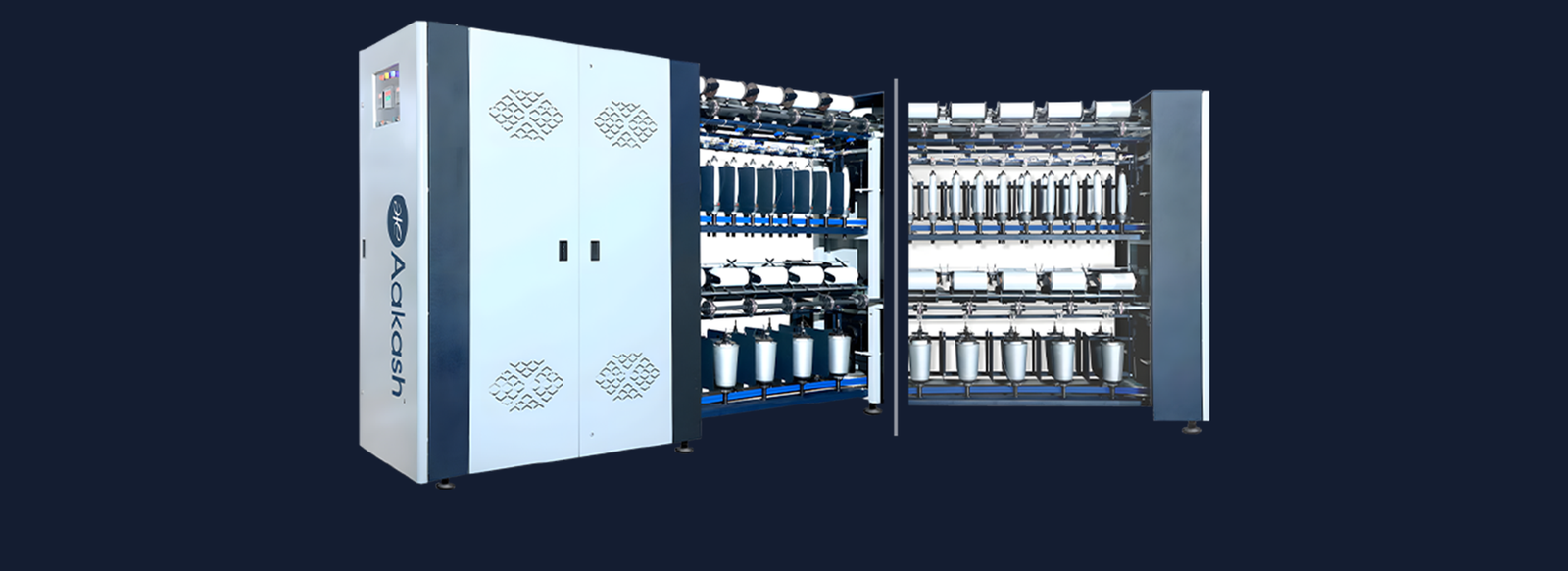
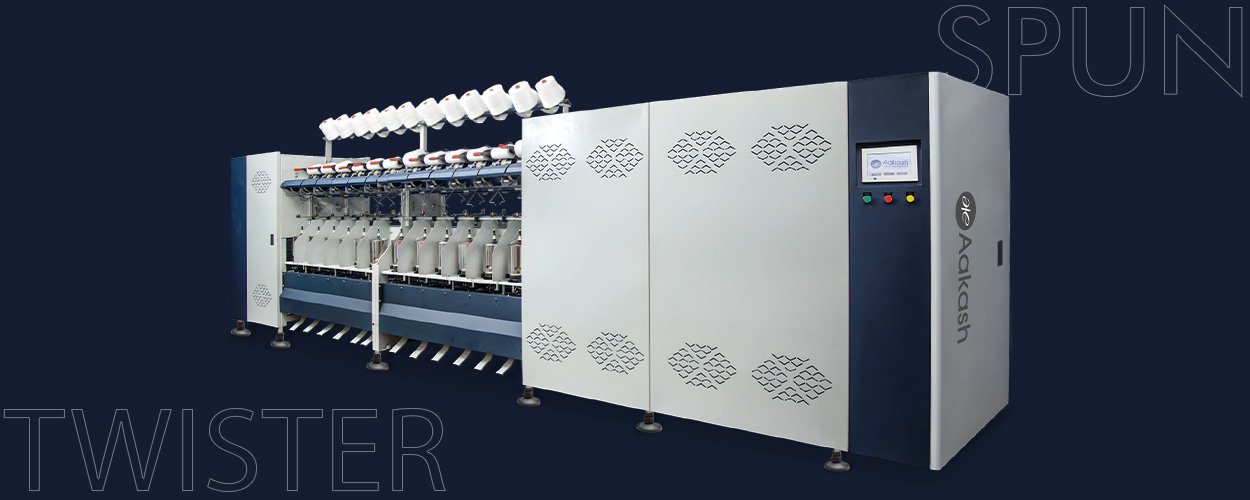
At its heart, duo spin processing involves subjecting a material to two distinct rotational forces acting in either parallel or perpendicular planes. This fundamentally alters the flow behavior of polymers, prompting unique shear and stress distributions within the material. The precise implementation of this technique varies depending on the application and the desired outcome. For instance, in fiber spinning, duo spin can involve rotating both the spinneret and the collection drum, enabling precise control over fiber diameter, alignment, and morphology. The interplay between these forces dictates the ultimate properties of the resulting material, opening up avenues for creating tailored materials with specific characteristics. Effective implementation requires a deep understanding of the rheological properties of the polymer being processed and the nuanced interplay between the applied forces.
Impact of Rotational Force Orientation
The relative orientation of the rotational forces plays a significant role in determining the material's final characteristics. Parallel rotations often promote longitudinal alignment of polymer chains, resulting in materials with enhanced tensile strength and directional properties. Conversely, perpendicular rotations can induce more isotropic mixing and create materials with improved dimensional stability and reduced anisotropy. The ability to precisely control the orientation of these forces provides a powerful tool for manipulating material structure at the microscopic level. Researchers are actively exploring the use of dynamically adjustable rotational configurations to create materials with gradient properties, where the material composition and structure vary continuously across the sample. This opens up new avenues for designing materials with tailored functionalities and performance characteristics. This controlled manipulation is central to this processing method.
| Rotational Force Orientation | Resultant Material Property | Typical Applications |
|---|---|---|
| Parallel | Enhanced Tensile Strength | High-Performance Fibers, Composites |
| Perpendicular | Isotropic Mixing, Dimensional Stability | Films, Membranes |
| Dynamic/Variable | Gradient Properties | Advanced Sensors, Biomaterials |
The development of sophisticated control systems is crucial for realizing the full potential of duo spin processing. These systems must be capable of precisely regulating the speed, acceleration, and synchronization of the rotational forces, as well as monitoring and adjusting key process parameters in real-time. Integrating feedback loops based on material properties—using sensors to measure viscosity, strain, or molecular alignment—is becoming increasingly common, enabling automated optimization of the process for specific target characteristics. The ongoing advancements in control systems will undoubtedly play a vital role in expanding the applicability of duo spin technology.
The Role of Duo Spin in Fiber Production
Fiber production represents a significant area where
Optimizing Fiber Morphology Through Spin Parameters
Precise control over the spin parameters—including spinneret speed, drum speed, distance between the spinneret and the drum, and polymer flow rate—is critical for optimizing fiber morphology and achieving desired properties. Adjusting these parameters allows manufacturers to tune the extent of fiber stretching, the degree of alignment, and the overall structure of the resulting material. For example, increasing the relative speed between the spinneret and the drum can lead to finer fibers with higher tensile strength, while reducing the distance between them can promote greater fiber alignment. A thorough understanding of these relationships is essential for tailoring fiber properties to specific applications. Computational modeling and simulation tools are increasingly being used to predict the impact of different spin parameters on fiber morphology, reducing the need for extensive and costly trial-and-error experiments.
- Fiber diameter control is improved with synchronized rotation.
- Enhanced fiber alignment leads to increased tensile strength.
- Unique fiber morphologies (helical, twisted) can be created.
- The process is adaptable to diverse polymer compositions.
Beyond conventional fiber spinning, duo spin is also being explored for the fabrication of advanced fiber structures, such as core-sheath fibers, hollow fibers, and composite fibers. These structures exhibit unique combinations of properties and are finding applications in diverse fields, including filtration, biomedical engineering, and sensors. The ability to independently control the rotational forces acting on different components of the fiber structure enables the creation of highly customized materials with unparalleled performance characteristics. The potential for incorporating functional materials into these complex fiber structures further expands their applicability and creates opportunities for developing innovative products.
Implementing Duo Spin in Composite Material Fabrication
The fabrication of composite materials presents another compelling application for duo spin technology. Achieving uniform dispersion of reinforcing agents within a polymer matrix is a critical challenge in composite manufacturing, as poor dispersion can lead to reduced mechanical properties and premature failure.
Controlling Reinforcement Agent Alignment
The ability to control the alignment of reinforcement agents—such as carbon nanotubes, graphene, or ceramic particles—is crucial for maximizing the composite's mechanical properties. By carefully controlling the rotational forces during the mixing process, manufacturers can induce preferential alignment of the reinforcing agents along specific axes. This results in composites with anisotropic properties, where the material's strength and stiffness vary depending on the direction of applied load. For example, aligning carbon nanotubes along the primary stress direction can significantly enhance the composite's tensile strength and modulus. This precise control over reinforcement agent orientation opens up new avenues for designing composites with tailored properties for specific structural applications. Investigating the synergy between different reinforcement materials and optimizing their alignment using duo spin is an active area of research.
- Mixing occurs under high shear forces.
- Agglomerates of reinforcing agents are broken down.
- Uniform dispersion of the reinforcement is achieved.
- Reinforcement agents can be aligned in specific directions.
The advantages of using duo spin in composite fabrication extend beyond improved mechanical properties. The technique can also reduce the need for harsh chemical additives or high-energy processing methods that can damage the composite matrix. This leads to more sustainable and environmentally friendly manufacturing processes. Additionally, duo spin can be readily integrated into existing composite manufacturing workflows, making it a relatively accessible technology for adoption by manufacturers. The combination of improved performance, sustainable processing, and ease of integration makes duo spin a highly attractive option for next-generation composite materials.
Future Trends and Potential Applications
The field of duo spin processing is rapidly evolving, with ongoing research exploring new applications and refining existing techniques. One promising area of development is the integration of duo spin with additive manufacturing processes, such as 3D printing. This combination would enable the creation of complex structures with tailored material properties at the microscale. Another exciting trend is the use of duo spin for the fabrication of smart materials, which respond to external stimuli such as temperature, light, or pressure. The precise control over material structure afforded by duo spin is essential for creating these advanced materials with predictable and reliable behavior. The potential applications are vast, ranging from self-healing materials and adaptive optics to biomedical implants and environmental sensors.
Furthermore, exploration into novel spin configurations, employing more than two axes of rotation, and dynamic force modulation represents a frontier of innovation. This level of control promises to yield materials with unprecedented architectures and functionalities. Combined with advanced characterization techniques and computational modeling, the future of duo spin processing appears exceptionally bright, and will likely see integration with AI driven optimization, creating materials with properties previously thought unattainable. The capability to fine-tune material properties at the molecular level has the potential to revolutionize a wide range of industries.